 K3N8H
K3N8HDigital Marketing Tools for Small Businesses
Content planning, repurposing, and ad-spend tools built for a one-person or small marketing effort.
A small business doesn't have a marketing department deciding what to post and when — usually it's one person deciding that at 9pm the night before, which is exactly why content quality and consistency both suffer. The fix isn't a bigger content calendar with more columns; it's a small number of tools that remove the daily improvising, so the decision gets made once a month instead of once a day.
Planning content instead of improvising it
The single highest-leverage change most small operations can make to their marketing is moving the "what do I post" decision out of the morning it's due. The Content Batch Planner is built around exactly that shift — it plans and batch-records a month of content in one sitting instead of deciding case by case, which matters because content made under a same-day deadline is reliably worse than content made with even a week of lead time. For a business that isn't primarily a content operation but still needs to post consistently, the 30-Day Content Strategy Mind Map answers one specific stuck decision — what to post this month with about three hours a week — by ranking content types by impact versus effort instead of listing every possible idea and leaving the ranking to you.
Getting one piece of content to work ten times harder
Making new content constantly is expensive; getting more out of what you already made is close to free. The 1-to-10 Repurposing Playbook walks through turning one pillar video or post into ten real distributed pieces, with a full worked example so you can see the actual breakdown rather than a generic "repurpose your content" tip with no specifics. For a niche with its own content rhythm — game development, where the content calendar has to track a build timeline rather than a general posting schedule — the Game Marketing Content Calendar was built specifically because developers kept saying the marketing side was harder than the building side, and a generic content calendar doesn't account for the fact that a devlog post depends on what actually shipped that sprint.
Knowing which ad spend is working
Content marketing is only half the picture once you're spending on ads; the other half is knowing which spend is actually converting. The Ad Spend & Margin Insights bot takes a campaign CSV and produces a ROAS chart with a plain-English write-up, which matters for a small operator specifically because most ad platforms report metrics (clicks, impressions, CTR) that don't tell you whether a campaign is actually profitable after your real product margin — a high click-through rate on a low-margin product can still lose money, and a spreadsheet of raw ad platform exports won't show you that on its own.
Marketing utilities you'll reach for daily
Not every marketing tool needs to be a strategy document — some of the most useful ones are small utilities you reach for constantly without thinking of them as "marketing software." The QR Code Generator produces real, scannable codes instantly in your browser with no account and no upload, which covers the constant small need to link a printed flyer, menu, or storefront sign to a real URL without waiting on a third-party QR service that expires your code after a free trial.
Putting it together without hiring an agency
None of these tools require an agency retainer or a marketing background to run. The pattern across all of them is the same one that runs through this whole site: each one replaces a specific decision or a specific repeated task, not "marketing" as a whole. Plan your month once with the batch planner or the content mind map, repurpose your best piece with the playbook instead of always starting from zero, and check your ad spend against real margin rather than platform-reported clicks before you decide to spend more. That's a small business marketing operation a single person can actually run consistently — the goal isn't to do everything an agency would do, it's to do the handful of things that move the needle, reliably, every month.
Why "post more" is rarely the right advice
The most common marketing advice a small business owner hears is simply to post more often, and it's usually wrong advice for exactly the operation it's aimed at. Posting more without a plan means more decisions made under a deadline, which is the specific failure mode the batch planner and the content mind map are built to remove — not by producing more content, but by moving the planning decision to a calmer moment. In the same way, chasing a higher ad spend without checking margin means scaling a campaign that might already be barely breaking even, which the Ad Spend & Margin Insights tool exists specifically to catch before you commit more budget to it. In both cases, the fix for a small operation isn't doing more marketing — it's making the marketing decisions you're already making with better information and less time pressure, which is a smaller and more achievable goal than "market better" in the abstract.
Consistency beats intensity at this scale
A small business rarely loses to a competitor with better individual pieces of content — it loses to a competitor who simply shows up more consistently over months, because consistency is what builds the recognition that eventually turns into a sale. The tools above are chosen specifically because they lower the cost of staying consistent: a repurposing playbook means one good piece of content can carry you through a slow week instead of leaving a gap, and a batch-planned month means a busy week doesn't mean a skipped post. If you take one thing from this page, it's that the marketing tool worth buying is the one that makes it easier to show up next week too, not just this week.
Recommended products
Content Batch Planner
Plan and batch-record a month of content instead of deciding what to post that morning.
The 1-to-10 Repurposing Playbook
Turn one pillar video or post into 10 real distributed pieces — full worked example included.
Game Marketing Content Calendar
Built for the exact complaint devs voiced: marketing is harder than building.
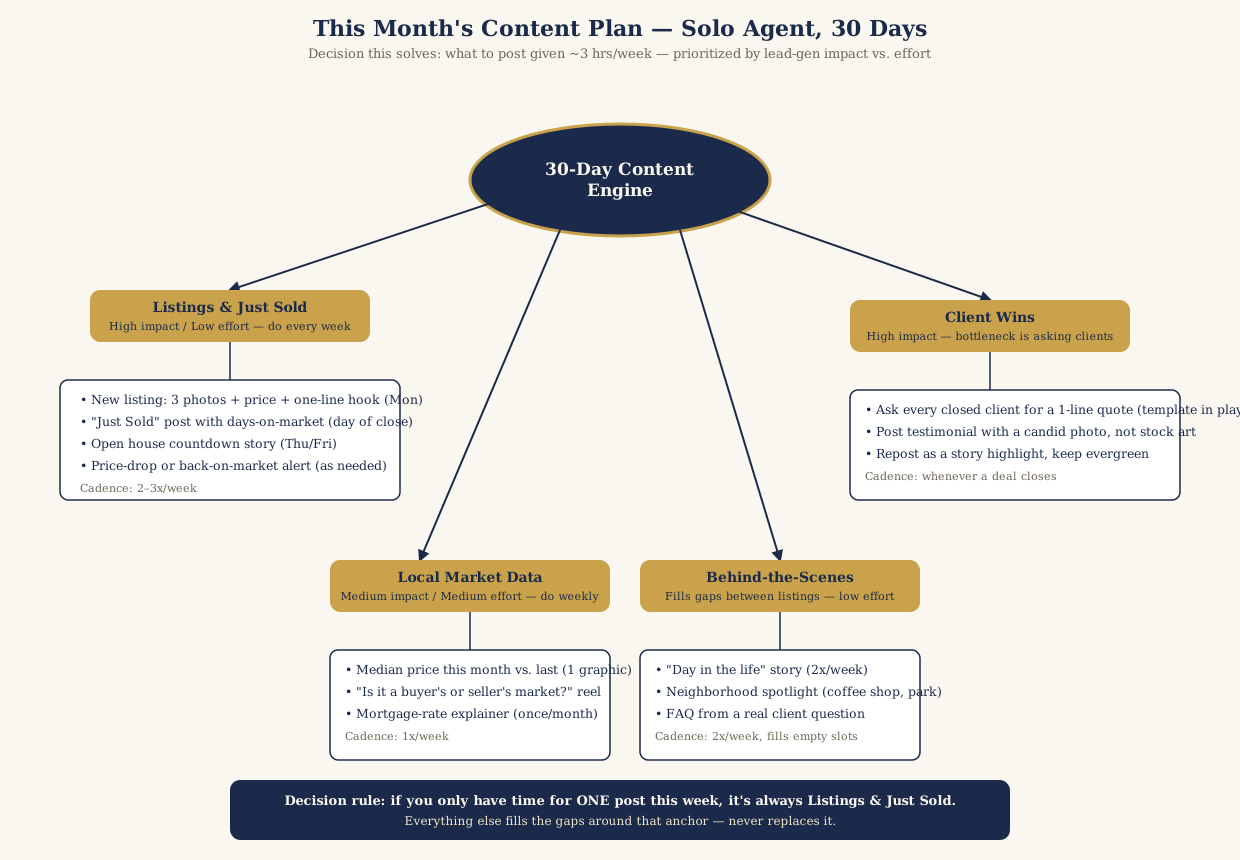
30-Day Content Strategy Mind Map
Answers one stuck decision: what to post this month with ~3 hrs/week.
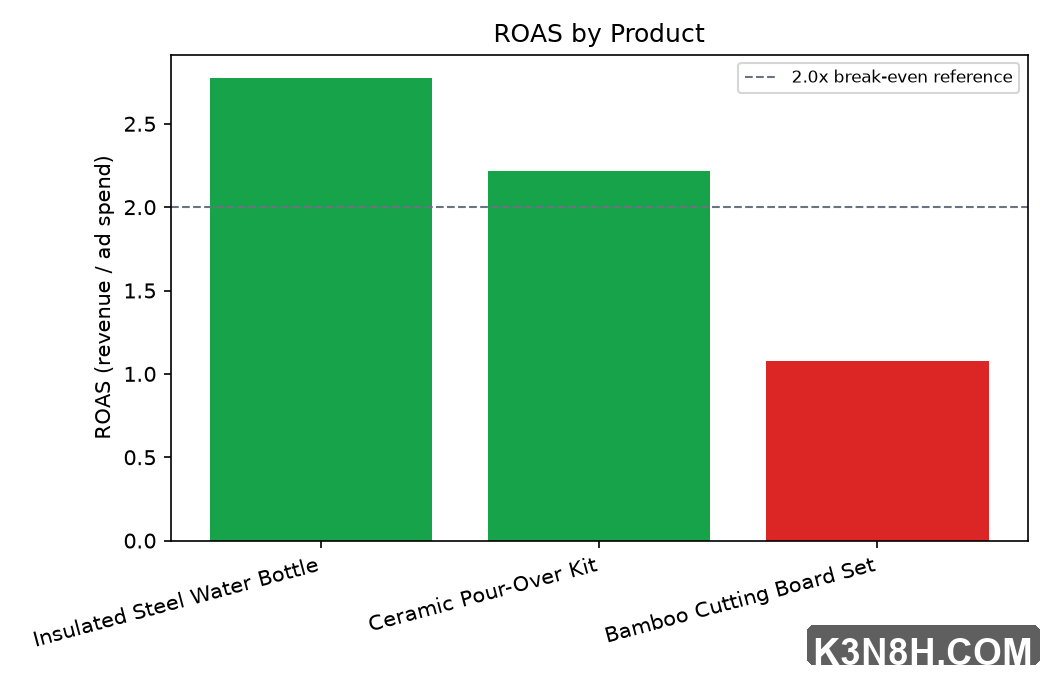
Ad Spend & Margin Insights
Feed it a campaign CSV, get a ROAS chart and a plain-English write-up.
QR Code Generator
Real, scannable QR codes generated instantly in your browser — no upload, no account.
Frequently asked questions
I only have a few hours a week for marketing — where should I start?
Start with the 30-Day Content Strategy Mind Map if you post occasionally, since it's built around exactly a roughly three-hours-a-week budget and ranks content types by impact versus effort. If you already post regularly but want to stop deciding daily, move to the Content Batch Planner to plan a full month in one sitting instead.
Do I need to be running paid ads already to use the Ad Spend & Margin Insights tool?
Yes — it works from a campaign CSV export from whichever ad platform you're already spending on, so you need existing campaign data to feed it. If you haven't started running paid ads yet, the content-focused tools here are the better starting point until you have spend data to analyze.
Is the Game Marketing Content Calendar useful if I'm not making games?
It's built specifically around a game development timeline (tracking devlog content against build milestones), so it's most useful if you're shipping something on a similar build-then-announce cycle, like software or hardware. For a business without that kind of development cycle, the Content Batch Planner is the more general fit.
Are any of these tools free to use?
The QR Code Generator runs entirely in your browser with no account and no upload required. The content planning, repurposing, and ad-analysis products are paid — check each product's page for current pricing, since it varies by product and license tier.